IPX vs ATM Water Resistance Ratings: Why They Matter in Wearables
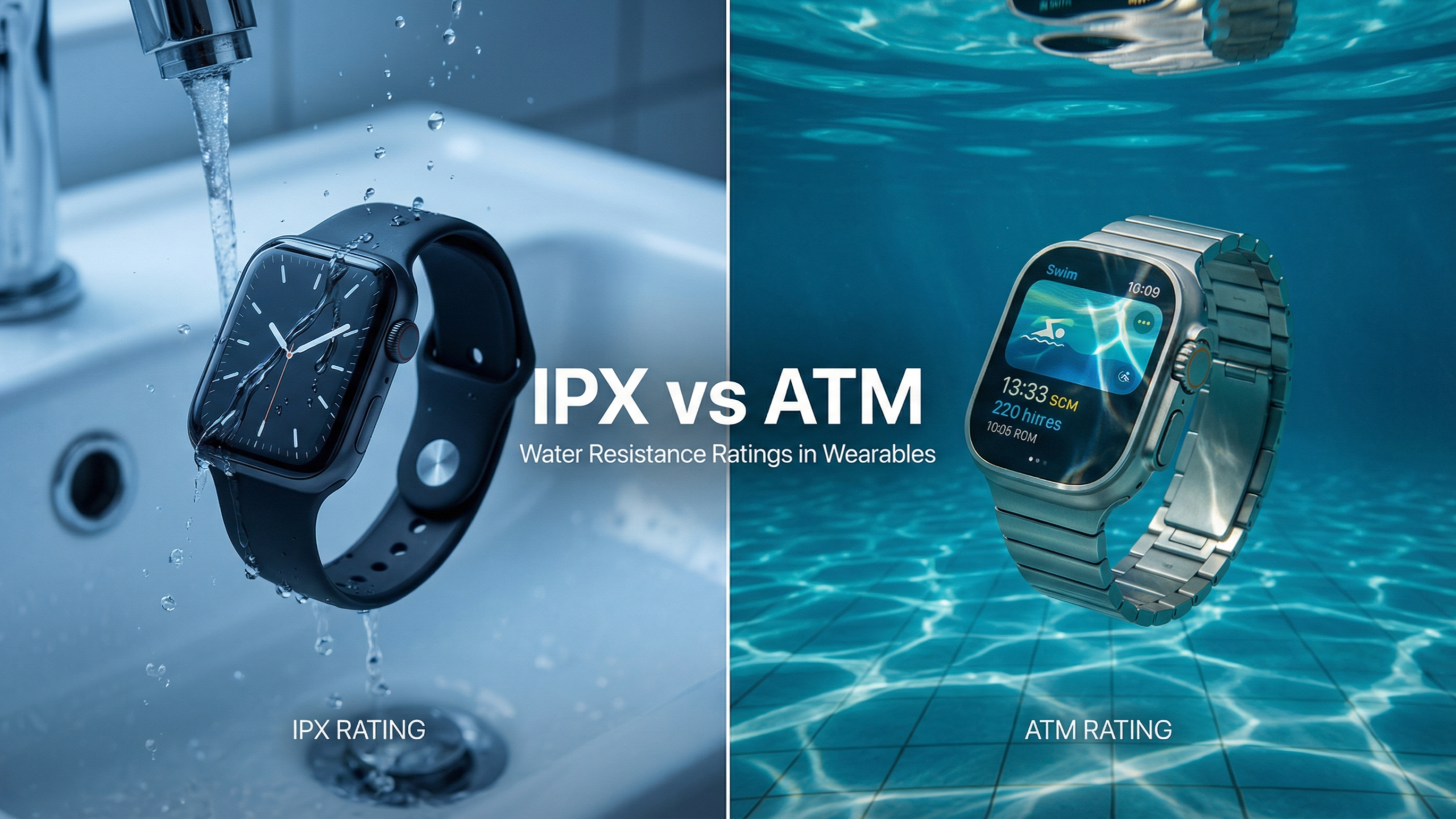
When it comes to selecting the best fitness trackers for swimming, understanding water resistance ratings is crucial. Water resistance ratings in wearables explain how well a smartwatch or fitness tracker can withstand exposure to water during activities like swimming. The two most common standards—IPX and ATM—measure water protection in very different ways, and misunderstanding them can lead to device damage. For swimming, IPX ratings indicate resistance to splashes and shallow immersion, while ATM ratings define pressure tolerance suitable for pool laps, open-water swimming, and water sports. Understanding the difference between IPX vs ATM helps swimmers choose a wearable that matches their training environment and prevents costly mistakes.
In our guide on How to Choose the Best Fitness Tracker for Swimming, we explore various essential features necessary for enhancing your swimming experience. Now, let’s dive deeper into the specifics of water resistance ratings in wearables for swimming. Understanding the differences between IPX vs ATM ratings will empower you to make informed decisions, ensuring that your tracker withstands the rigors of your swim routine—whether you’re splashing around in the pool or braving the open waters.
In this post, we’ll break down what these ratings mean, how they differ, and why they matter when choosing a swimming fitness tracker. By the end of this article, you’ll be well-equipped to select a device that not only fits your needs but also keeps up with your swimming adventures!
Water resistance ratings can vary by testing method and real-world usage conditions. For the most accurate and reliable guidance, always confirm water resistance details directly from the manufacturer’s official specifications before swimming or exposing a wearable to water.
What is an IPX Rating?
The Ingress Protection (IP) code, or more precisely, the IPX code (where X denotes the liquid ingress protection level), is a standardized way of measuring how resistant a piece of equipment is to dust and liquid ingress. Although older literature may still refer to the IP code without the X, the inclusion of the X is now the standard to specifically denote the level of water resistance. The rating consists of two digits: the first indicates protection against solid objects (like dust), while the second digit (the X in IPX) specifies protection against liquids. For water resistance, we focus on this second digit.
The table below shows the ratings in descending order of water resistance:
For swimming, a tracker with at least an IPX7 rating is generally recommended, indicating that it can withstand temporary immersion. Reputable brands, like Garmin, provide detailed water rating definitions to aid consumer decision-making.
What is an ATM Rating?
The ATM rating (atmosphere) measures a device’s ability to withstand pressure in water. This rating is directly related to water depth and is often used by brands like Garmin to communicate water resistance capabilities of their devices. A 5 ATM rating, for example, indicates that a device can withstand water pressure equivalent to 50 meters of depth. This rating relates to water depth and is commonly understood as follows:
IPX vs ATM: Understanding the Fundamental Differences and Critical Considerations
Both IPX and ATM ratings serve as industry standards to measure water resistance, but they operate on fundamentally different principles and offer distinct types of protection. Understanding these differences is essential when selecting a wearable device suited for swimming or other water activities.
IPX ratings primarily assess a device’s ability to resist water ingress under controlled, static conditions such as splashes, sprays, or brief submersion. This makes IPX valuable for everyday protection against incidental water exposure but less reliable for prolonged or dynamic water use.
ATM ratings, by contrast, quantify a device’s capacity to withstand sustained water pressure, simulating real-life conditions experienced during swimming, diving, or vigorous water sports. This pressure-based testing offers a more practical and robust benchmark for wearables intended for extended immersion or active water environments.
When choosing a device for swimming, it’s crucial to evaluate which rating system aligns with your intended water exposure to ensure durability, performance, and longevity.
While both IPX and ATM ratings relate to water resistance, there are key differences to consider:
Choosing the right rating for your swimming fitness tracker is crucial. For swimming, an IPX7 rating or higher, along with a 5 ATM rating or higher, is generally recommended for reliable performance. Remember, an IPX rating addresses liquid ingress at a specific depth, whereas the ATM rating measures pressure resistance.
IPX vs ATM: How to Choose the Right Water-Resistant Fitness Tracker for Swimming
Selecting a water-resistant fitness tracker requires a clear understanding of differences between IPX vs ATM ratings, as these standards provide crucial insights into your device’s ability to withstand water exposure and pressure. Trackers explicitly designed for swimming typically display both ratings, enabling you to gauge how well the device performs under varying aquatic conditions—from splashes and showers to full submersion and sustained underwater pressure.
Before purchasing, it’s essential to thoroughly review the manufacturer’s specifications and guidelines. These documents outline specific water resistance limits, such as maximum depth and duration of immersion, and offer practical recommendations to help you avoid damage during swimming or other water activities.
Maintaining your fitness tracker’s water resistance is equally important. Regularly inspect seals, gaskets, and ports to ensure they remain intact and free from debris. Follow the manufacturer’s maintenance instructions, including proper cleaning techniques, to preserve the device’s protective barriers. Additionally, avoid subjecting your tracker to extreme temperatures or sudden pressure changes, as these factors can compromise the integrity of its water-resistant features and shorten its lifespan.
By carefully considering IPX and ATM ratings alongside proper maintenance, you can confidently choose a fitness tracker that not only meets your swimming needs but also delivers long-term durability and performance.
Frequently Asked Questions (FAQ) About IPX vs ATM Water Resistance Rating
Final Thoughts on IPX vs ATM Water Resistance Ratings for Swimming Fitness Trackers
Grasping the differences between IPX and ATM water resistance ratings is crucial to selecting a fitness tracker that is both durable and dependable in aquatic environments. With this understanding, you can confidently choose a device tailored to your swimming habits and water exposure needs, ensuring peak performance and longevity.
For more expert advice on finding the perfect swim-ready tracker, revisit our comprehensive guide: How to Choose the Best Fitness Tracker for Swimming.
To explore top-rated models and understand how water resistance ratings impact real-world performance, check out our in-depth article: Best Fitness Tracker For Swimming: The Ultimate Buyer’s Guide.
Equip yourself with the right knowledge and tools to elevate your swim training and aquatic lifestyle with confidence.