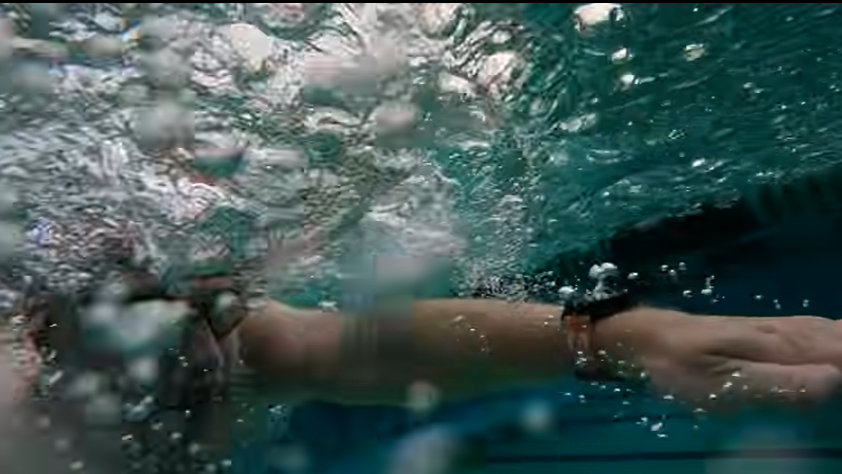
Swimming trackers have evolved from simple lap counters into sophisticated wearable fitness devices capable of measuring stroke efficiency, heart rate, pace, distance, and even advanced training load metrics. Whether you’re training in a 25m pool, swimming open water, or preparing for a triathlon, the right swim tracking watch can transform how you monitor performance and progress.
This guide explains how swimming trackers work, what features matter most, and how to choose the best swimming watch for your training goals.
What Is a Swimming Tracker?
A swimming tracker is a waterproof fitness wearable designed to measure swimming-specific performance metrics such as laps, distance, stroke type, pace per 100m, and efficiency scores.
Unlike generic step counters, modern swim tracking smartwatches use:
- Accelerometers to detect arm movement patterns
- Gyroscopes to analyze rotation and stroke mechanics
- Optical heart rate sensors designed to function underwater
- GPS (in open water mode) to map distance and route
These sensors work together to recognize repetitive swim motion patterns and convert them into measurable data.
How Swimming Trackers Measure Laps and Distance
In pool mode, swimming trackers detect direction changes during turns. When your wrist accelerates and rotates at the wall, the watch registers a completed lap based on the configured pool length (25m, 50m, 25yd, etc.).
Distance is calculated as:
Lap Count × Pool Length
This makes pool length calibration critical for accuracy.
Stroke Detection Technology Explained
Modern swim watches analyze motion patterns to identify:
- Freestyle
- Breaststroke
- Backstroke
- Butterfly
Algorithms compare wrist rotation frequency, arm extension angles, and acceleration curves to classify strokes. Mixed-stroke sessions may reduce detection accuracy depending on technique consistency.
Pool Tracking vs Open Water Tracking
Pool tracking relies on motion-based lap detection.
Open water tracking relies on GPS signals. In open water mode:
- The watch briefly exits the water during arm recovery
- GPS signal is captured during this short window
- The device interpolates movement between strokes
Because water disrupts GPS signals, open water tracking requires optimized stroke rhythm for best accuracy.
How GPS Works in Open Water Swimming
GPS swim watches collect satellite data when your arm exits the water. Premium models incorporate multi-band GNSS and signal smoothing algorithms to improve route accuracy.
Expect slight distance variance due to:
- Arm motion variability
- Signal dropout
- Wave interference
- Satellite positioning
For triathletes and open water swimmers, GPS capability is essential.
Key Features to Look for in a Swimming Tracker
Choosing the best swimming tracker depends on training intensity, environment, and ecosystem preference.
Stroke Recognition and Automatic Lap Counting
A quality swimming tracker should:
- Automatically detect laps
- Recognize multiple stroke types
- Track stroke rate and stroke count
- Handle interval training accurately
Freestyle, Breaststroke, Backstroke & Butterfly Detection
Higher-end swim watches perform best when stroke mechanics are consistent. Competitive swimmers often experience greater detection accuracy than recreational swimmers.
Accuracy Limitations in Mixed Stroke Sessions
Frequent mid-lap stroke changes may reduce algorithm precision. For technical drills, manual drill mode is often available.
Heart Rate Monitoring in Water
Heart rate tracking in swimming presents challenges due to water pressure and sensor contact.
Optical Heart Rate vs Chest Strap in Swimming
Wrist-based optical sensors use LED light absorption to measure blood flow. However, water and movement can interfere.
Some advanced swimming trackers support:
- Dedicated swim-compatible chest straps
- Internal data storage during swim sessions
For structured heart rate zone training, chest strap support improves precision.
Why Wrist-Based HR Can Be Challenging in Pools
Factors affecting accuracy:
- Loose strap fit
- Cold water vasoconstriction
- High-intensity sprint intervals
- Push-off wall impact
Waterproof Ratings Explained (5ATM vs 10ATM)
Understanding waterproof certification is critical when selecting a waterproof fitness tracker for swimming.
What 5ATM Really Means
5ATM indicates resistance up to 50 meters under laboratory pressure conditions. It is generally suitable for:
- Pool swimming
- Showering
- Light water exposure
Salt Water vs Chlorine Resistance
Salt water increases corrosion risk. Open water swimmers should rinse devices thoroughly after ocean sessions.
10ATM-rated watches offer additional protection and are preferred for frequent open water use.
Battery Life for Swim Training and Triathlon
Battery consumption differs between pool mode and GPS swim mode.
Pool Mode Battery Consumption
Without GPS activation, pool sessions typically use minimal battery power.
Open Water GPS Drain
GPS tracking increases battery drain significantly. Multi-sport watches designed for triathlon often provide extended endurance modes.
Swim Metrics That Matter
Swimming trackers provide performance metrics that go beyond distance.
SWOLF Score Explained
SWOLF combines:
Stroke Count + Time per Length
Lower SWOLF scores generally indicate improved efficiency.
Stroke Rate and Stroke Count
- Stroke rate: strokes per minute
- Stroke count: strokes per lap
Together, they measure stroke efficiency and pacing consistency.
Pace per 100m / 100yd
Pace tracking enables structured interval training and performance benchmarking.
Distance, Calories, and Training Load
Advanced swim tracking smartwatches integrate swim workouts into overall training load calculations, especially on multi-sport platforms.
Best Swimming Trackers by Category
To help you choose the right swim watch, we’ve broken down top recommendations by use case.
Best Swimming Watches for Pool Training
(Internal link to child page)
Best Swimming Trackers for Open Water
(Internal link to child page)
Best Swimming Watches for Triathletes
(Internal link to child page)
Best Budget Swimming Trackers
(Internal link to child page)
Best Garmin Watches for Swimming
(Internal link to child page)
Best Apple Watch for Swimming
(Internal link to child page)
Each category compares stroke detection accuracy, GPS performance, heart rate reliability, battery life, and ecosystem integration.
Swimming Tracker vs Smartwatch: What’s the Difference?
Not all smartwatches are optimized for swim tracking.
Dedicated Swim Watches vs Multi-Sport Smartwatches
Dedicated swim watches prioritize:
- Stroke analysis
- Efficiency metrics
- Drill logging
Multi-sport watches add:
- Cycling and running tracking
- Triathlon mode
- Advanced recovery metrics
Accuracy Differences in Lap Counting
Dedicated swim models often provide slightly more consistent lap detection in structured pool environments.
Training Analytics Depth Comparison
Higher-end multi-sport watches offer:
- VO2 Max estimates
- Recovery time recommendations
- Training readiness scores
Ecosystem Integration (Garmin Connect, Apple Health, Strava)
Data integration matters if you:
- Sync workouts to Strava
- Follow structured training plans
- Analyze performance trends over time
Choose a swim tracking smartwatch that integrates with your preferred platform.
Swimming Tracker Metrics Explained
Understanding swim metrics allows you to train intentionally.
What Is SWOLF and Why It Matters
SWOLF is not a universal performance score but a personalized efficiency indicator. Lower trends over time typically reflect improved technique.
Understanding Stroke Efficiency
Efficiency improves when:
- Stroke count decreases without pace loss
- Turn technique becomes smoother
- Breathing rhythm stabilizes
How Swim Pace Is Calculated
Pace per 100m is derived from lap time divided by pool length. Consistent pacing is critical for endurance performance.
VO2 Max and Advanced Training Metrics
Some multi-sport swim watches estimate VO2 Max from combined activity data. Swim-only watches typically do not calculate this metric independently.
Auto-Rest Detection and Interval Tracking
Auto-rest detection pauses active tracking when you stop at the wall. This allows for precise interval breakdowns.
Who Should Use a Swimming Tracker?
Swimming trackers serve different user types.
Recreational Swimmers
Ideal for tracking progress, calories burned, and weekly swim volume.
Masters and Competitive Swimmers
Advanced metrics like stroke rate and SWOLF support technique optimization.
Triathletes
Multi-sport GPS swim watches integrate swim, bike, and run sessions seamlessly.
Open Water Athletes
GPS swim tracking is essential for distance validation and route mapping.
Fitness-Focused Smartwatch Users
If swimming is part of broader fitness tracking, a multi-sport smartwatch may be sufficient.
How We Test Swimming Trackers
We evaluate swimming trackers based on:
- Lap counting consistency in 25m and 50m pools
- Stroke detection reliability
- GPS stability in open water
- Heart rate accuracy
- Ecosystem integration
- Long-term durability
Testing includes structured intervals, mixed stroke sets, and open water sessions when applicable.
Frequently Asked Questions About Swimming Trackers
Are Swimming Trackers Accurate?
High-quality swim watches are generally accurate in pool mode when pool length is configured correctly. Open water GPS accuracy may vary slightly due to signal limitations.
Can Swimming Trackers Measure Heart Rate?
Yes, most modern swimming trackers offer wrist-based heart rate monitoring. Accuracy varies depending on intensity and water conditions.
Do All Smartwatches Track Swimming?
Not all smartwatches support detailed swim tracking. Look for dedicated swim modes and stroke recognition.
What Is the Best Swimming Watch for Open Water?
The best GPS swim watch for open water includes multi-band GPS, strong waterproof rating, and reliable battery life.
Do Swimming Trackers Work in Salt Water?
Yes, but devices should be rinsed after exposure to prevent corrosion.
What Is SWOLF?
SWOLF is a swim efficiency metric calculated from stroke count and lap time.
Final Thoughts: Choosing the Right Swimming Tracker
The best swimming tracker depends on:
- Training environment (pool vs open water)
- Performance goals
- Budget
- Ecosystem preference
- Need for multi-sport tracking
Swimming trackers are no longer simple lap counters. They are advanced wearable fitness technologies that provide actionable insights into stroke efficiency, pace control, heart rate, and long-term performance trends.
If you’re serious about improving swim performance, a dedicated swim tracking watch or GPS swim smartwatch is one of the most valuable training tools you can own.