Introduction — Why Wellness Tech Matters Today
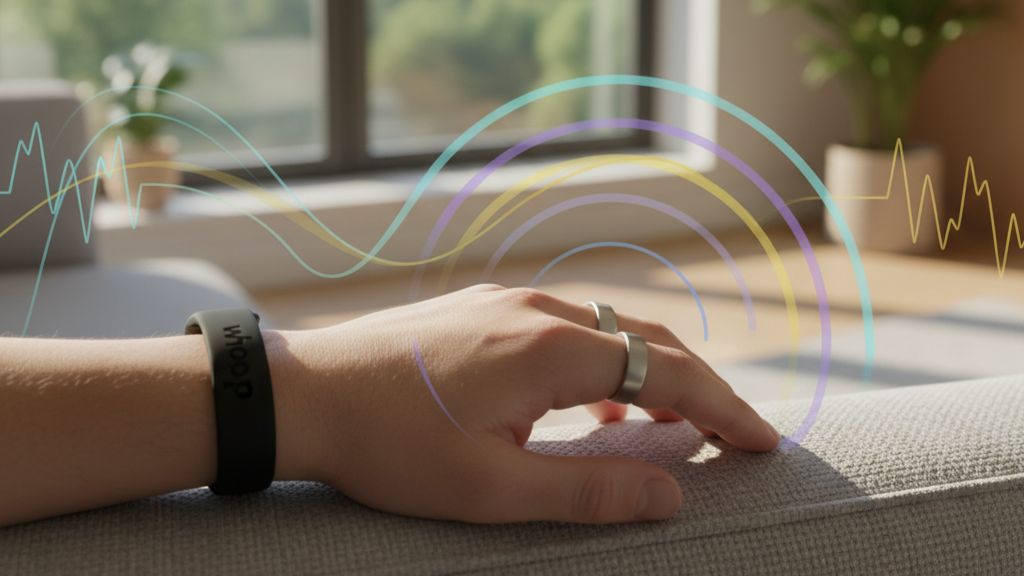
Wellness technology — or “wellness tech” — describes wearables and digital tools designed not just to count steps, but to support sleep quality, stress resilience, and recovery. As sensor accuracy, Artificial Intelligence (AI), and personalized recommendations improve, these wearable devices are shifting from novelty gadgets to daily habit tools that can guide behavior change and highlight physiological trends.
Key Insight: Wellness wearables offer helpful trend insights, but they are not medical diagnostic tools. Use them to guide habits, not to self-diagnose conditions.
This article explains how wellness tech works, what it can realistically do, where it falls short, and how to pick the right device for your wellness goals.
What Is Wellness Tech?
Understanding Wellness Technology
Wellness tech refers to wearable devices and apps that measure, interpret, and give feedback on signals related to wellbeing — for example: heart rate variability (HRV), sleep patterns, body temperature, and stress markers. Unlike basic fitness trackers that focus mainly on steps and calories, wellness wearables emphasize metrics used to improve sleep, manage stress, and optimize recovery. They combine sensors, algorithms, and coaching or nudges to encourage healthier routines.
Wellness tech combines wearables, digital tools, and apps that help people optimize their physical, mental, and emotional well-being.
These wearables focus on:
- Sleep optimization (deep sleep cycles, anti-wake-up features)
- Stress management (HRV tracking, vibration therapy, mindfulness prompts)
- Recovery support (muscle recovery, readiness scores, biofeedback)
- Holistic health insights (menstrual health, meditation, emotional balance)
Unlike fitness trackers, wellness tech is about active intervention—helping you feel better, not just measuring how you feel.
Wellness Tech vs Fitness Trackers — What’s the Difference?
- Wellness Tech: Emphasize recovery, sleep, and mental states (HRV, readiness scores, guided breathing). They are best for people focused on stress management, sleep optimization, or recovery-aware training.
- Fitness Trackers: Emphasize activity metrics (steps, workouts, calories burned). They are best for tracking movement and exercise performance.
📖 Research Insight:
For example, research shows that heart rate variability (HRV)
is a key indicator of stress resilience and recovery capacity
(
Shaffer & Ginsberg, 2017, Frontiers in Public Health
).
Devices that monitor and improve HRV are therefore central to wellness tech innovation.
The Science Behind Today’s Wellness Wearables
Below are the key physiological signals and how modern devices use them to guide your wellness journey.
Heart Rate Variability (HRV)
HRV measures the variation in time between consecutive heartbeats. Higher HRV generally indicates better autonomic flexibility and resilience to stress; lower HRV can indicate fatigue, stress, or illness. Many wellness wearables use HRV trends to produce “readiness” or recovery scores. While HRV is a useful marker, its interpretation depends on context (resting vs active) and consistent measurement conditions.
Vibration & Touch-Based Therapy
Some devices use targeted vibration or haptic stimulation (sometimes called vibroacoustic stimulation) intended to downregulate sympathetic arousal and promote calm. Early trials and reviews indicate potential benefits for stress and subjective wellbeing, but evidence varies and device protocols differ — so outcomes are device- and user-dependent.
Sleep Tracking & Biometric Scoring
Wearables estimate sleep stages using combinations of accelerometry, heart rate, and sometimes temperature or SpO2. Consumer devices can reliably separate sleep vs wake but vary in accuracy for sleep stages (light, deep, REM) versus polysomnography (the clinical gold standard). Some finger-worn devices (rings) show closer agreement with polysomnography than wrist-only devices, but results depend on device and study.
AI-Driven Insights & Recommendations
Modern wellness platforms use machine learning to identify patterns (e.g., HRV dips after late nights) and deliver personalized suggestions. These insights can be useful as long as users understand they’re probabilistic guidance, not clinical diagnoses. Data handling, model transparency, and the quality of training data affect usefulness.
How Wellness Tech Wearables Work
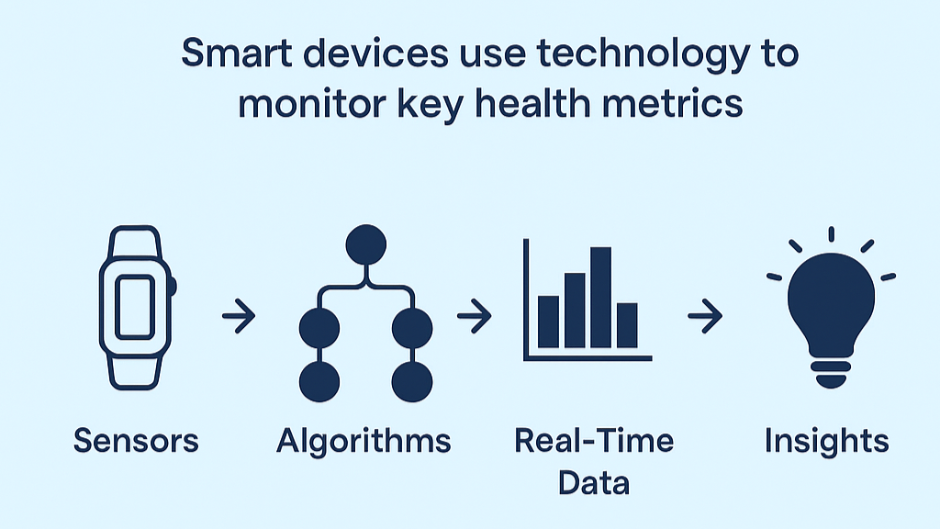
Wellness tech wearables are more than stylish gadgets—they are built on decades of research in physiology, neuroscience, and data science. At their core, these devices combine biometric sensors, data analytics, and behavioral interventions to actively improve wellbeing.
1. Biometric Sensors
Modern wellness wearables use advanced sensors to capture signals from the body:
- Heart Rate Variability (HRV): A measure of the variation between heartbeats, HRV is a key indicator of stress resilience and recovery capacity. Research confirms its role in monitoring autonomic nervous system balance (Shaffer & Ginsberg, 2017, Frontiers in Public Health).
- Sleep Stages: Accelerometers and optical sensors track movement and heart rate to estimate sleep cycles, helping users understand patterns of deep, light, and REM sleep.
- Stress Signals: Some devices monitor skin conductance or breathing patterns to detect stress responses in real time.
2. Data Analytics & AI
Raw sensor data is transformed into meaningful insights through algorithms and machine learning:
- Pattern Recognition: Devices like Whoop and Biostrap analyze HRV trends to provide readiness scores and recovery recommendations.
- AI-Driven Interventions: Apollo’s anti-wake-up feature uses AI to detect micro-arousals during sleep and deliver gentle vibration cues that help maintain deeper rest.
- Personalization: Over time, wearables learn individual baselines, tailoring feedback to each user’s physiology.
3. Behavioral Interventions
Unlike traditional trackers, wellness tech devices don’t just measure—they act:
- Vibration Therapy: Apollo uses targeted vibrations to calm the nervous system, a method supported by vibroacoustic therapy research (McIntyre et al., 2019, Music and Medicine Journal).
- Mindfulness Prompts: Oura guides users through breathing exercises or meditation sessions to reduce stress.
- Recovery Coaching: Whoop provides actionable recommendations—like adjusting training intensity or sleep routines—based on biometric data.
Illustration: How Wellness Tech Wearables Work
Benefits of Wellness Tech — Evidence, Limits, and Real Use Cases
Better Sleep Quality
What it helps: devices flag sleep timing inconsistencies, quantify sleep duration, and surface behaviors that affect sleep (late caffeine, nighttime heart rate spikes). Evidence: wearables can help users track and often modestly improve sleep-related habits when combined with behavioral steps. Limitations: device sleep-stage estimates vary; clinical sleep disorders require medical evaluation.
Improved Stress Resilience
What it helps: biofeedback (HRV-guided breathing) and haptic nudges can reduce acute stress and help users develop stress-management routines. Evidence exists for HRV biofeedback improving anxiety and stress markers in some trials, but user engagement and consistent practice are necessary.
Faster Recovery & Readiness
What it helps: athletes and busy people can use HRV, resting heart rate, and sleep scores to guide training load and recovery decisions. Limitations: algorithms vary; “readiness” scores are vendor-specific and not always validated across populations.
Mindfulness & Emotional Wellbeing Support
What it helps: short guided breathing, grounding vibrations, and reminders to check in with mood can foster small but meaningful habit changes. These features are best seen as adjuncts to broader mental health practices.
Data Awareness & Behavior Change
Wellness tech’s real strength is feedback loops — visible metrics that motivate users to try small, repeatable changes. But feedback without actionable guidance often leads to disengagement.
📖 Scientific Insight:
Wearable sleep technology is increasingly recognized in both clinical and research settings
as a valuable tool for monitoring and improving sleep
(
de Zambotti et al., 2019, Medicine & Science in Sports & Exercise
).
Wellness Tech Categories
Below are common device types, with strengths and limitations.
Smart Rings
- Best for: 24/7 sleep + readiness tracking with minimal bulk.
- Pros: Accurate pulse/HRV when worn correctly, comfortable for sleep.
- Cons: Limited display, often subscription fees for advanced insights.
- Examples: Oura Ring (noted in validation studies for sleep/HRV performance)
Stress & Recovery Bands
- Best for: Continuous HRV and training recovery insights.
- Pros: Focused recovery metrics; built for athletes.
- Cons: Subscription models; wearability trade-offs.
Haptic & Vibration-Based Wearables
- Best for: On-demand calming through tactile stimulation.
- Pros: Non-invasive, immediate cues to breathe/relax.
- Cons: Clinical evidence still emerging; benefits vary by use
Women’s Health & Hormone Tracking Devices
- Best for: Cycle tracking and ovulation windows via temperature & other signals.
- Pros: Dedicated features for menstrual health.
- Cons: Data sensitivity/privacy concerns are particularly important in femtech.
Sleep & Relaxation Devices
- Best for: Dedicated sleep optimization (sound, guided relaxation).
- Pros: Often combine app coaching + sensor feedback.
- Cons: May require additional hardware or subscriptions.
Multi-Sensor Wellness Smartwatches
- Best for: Broader set of health metrics including activity and occasional wellness features.
- Pros: Versatile; many users already wear a smartwatch.
- Cons: Wrist-based sleep/stage accuracy can be lower than finger-worn or dedicated devices.
Wellness Tech Quick Comparison Table
| Device Type | Main Benefit | Typical Features | Typical Price Range | Best For |
| Smart Ring | Sleep + HRV accuracy | Finger PPG, temp | $$–$$$ | Sleep optimizers |
| Recovery Band | Readiness, HRV | Continuous HRV | $$–$$$ | Athletes |
| Haptic Wearable | Stress reduction | Vibration protocols | ––– | Office workers, anxious users |
| Sleep Device | Sleep coaching | Audio, environmental control | $–$$ | Sleep-focused users |
| Smartwatch | All-round metrics | HR, SpO2, apps | $–$$$ | Generalists |
Meet the Top Innovative Brands in Wellness Tech
Across the industry, innovative wearable tech brands are pushing boundaries in wearable health and mindfulness technology. Each innovation brings wellness closer to your daily life—helping you tune in rather than burn out.
The section below highlights some of the most innovative wellness tech brands, showcasing their unique positioning and focus areas. Each brand brings innovative solutions to enhance health, recovery, and overall well-being through wearable devices and advanced biometric insights.

Whoop
Recovery-first wearable trusted by athletes, with advanced HRV analytics, sleep coaching, and readiness scores.
Learn more
Apollo Neuro
Wearable designed to improve sleep quality, reduce stress, and boost focus through AI-driven vibrations.
Learn more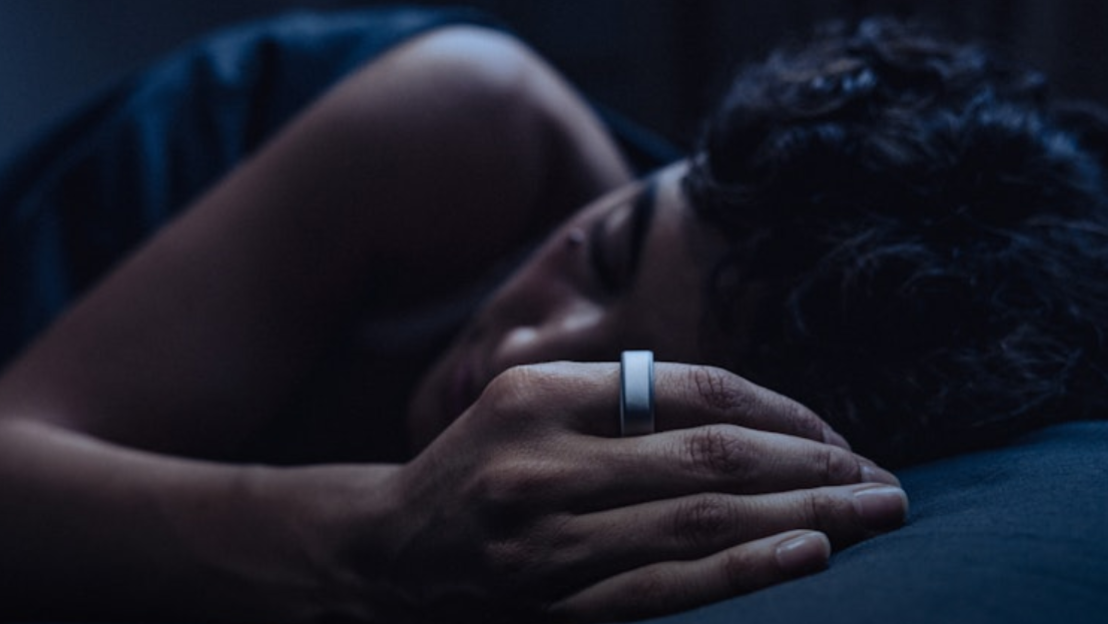
Oura
Meditation and mindfulness-focused wearable offering emotional balance, guided breathing, and stress tracking.
Learn more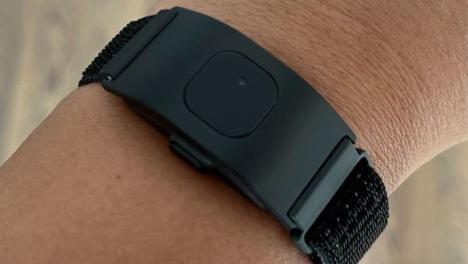
Biostrap
Precision biometrics platform for HRV, sleep, and recovery, used by biohackers and health professionals.
Learn moreLimitations, Risks & What Many People Get Wrong
Wearable Device Accuracy Issues in Wellness Tech
Consumer wearable device accuracy varies in how closely they match clinical measurements. Wrist devices can be less accurate for sleep stages and HRV than finger/ECG-grade devices; validation studies are device-specific. Users should avoid over-interpreting single-night fluctuations.
For readers interested in a deeper, research-backed exploration of this topic, our Expert Opinions on Wearable Device Accuracy article expands on how wearables should be evaluated, compared, and used responsibly across different health and fitness contexts.
Data Privacy & Security in Wellnes Tech
Wearables in the wellness tech ecosystem collect sensitive health data. Studies show gaps in privacy policies and varying degrees of data-sharing with third parties. For sensitive categories (women’s health, fertility), data-sharing can have serious implications. Review privacy policies and prefer vendors that offer transparency and user control.
As wellness technology becomes more deeply embedded in daily life, data privacy is no longer a secondary consideration — it’s a core feature of responsible wearable health innovation. Understanding who owns your data, how it’s stored, and whether it’s shared or monetized can directly impact your long-term health autonomy, especially in sensitive categories like women’s health.
To explore this topic in greater depth, including real-world risks, regulatory gaps, and how to evaluate wearable brands through a privacy-first lens, see our complete guide to wearable data privacy.
Over-Reliance & Anxiety
Constant tracking can provoke anxiety for some users and lead to data fixation. Devices provide signals, not diagnoses — professional medical advice should be sought for clinical concerns.
Device Abandonment
A substantial portion of users stop using wearables after months. Reasons include perceived low value, friction (charging), and lack of sustained behavior change. Plan for real-world adherence when recommending devices.
How to Choose the Right Wellness Wearable — A Thoughtful, Evidence-Based Guide
1. Begin With Your Primary Goal
Clarify exactly what you want your wearable to help you improve. Are you focused on sleep quality, stress resilience, autonomic recovery (e.g., HRV), cycle and hormonal tracking, or overall daily readiness? Devices vary widely in signal fidelity, analytics depth, and actionable insights depending on the metric. Lead with your priority — and use it as the lens for every subsequent decision.
Tip: If your primary interest is to improve the quality of your sleep, not all wearables are created equal; look for validation specific to sleep stage detection rather than general activity tracking.
2. Evaluate Total Cost of Ownership — Upfront Price Plus Ongoing Fees
Wellness wearables increasingly operate as hardware + software ecosystems. Many brands subsidize low hardware cost by placing advanced analytics and personalized coaching behind a recurring subscription.
Before committing:
- Add up the device price over expected lifespan.
- Include subscription costs required for meaningful insights.
- Consider whether the vendor tiers features (e.g., basic vs. Premium plans).
This ensures you’re budgeting for results, not just hardware.
3. Prioritize Scientific Validation & Independent Evidence
Accuracy claims matter — but only when backed by third-party research, clinical trials, or peer-reviewed studies. Your focus should be on whether the device has been independently evaluated for the specific metric you care about (e.g., HRV, sleep staging, stress response).
- Search for device validation on sites like PubMed or Google Scholar.
- Refer to curated comparisons and accuracy discussions from reputable reviewers.
4. Assess Privacy, Data Rights & Portability
Your biometric data is deeply personal. Before choosing a wearable, dig into the company’s privacy policy and terms of service:
- Can you export your raw data?
- What rights do you retain vs. what rights you license to the vendor?
- Does the company sell or share de-identified data with partners?
Companies that prioritize privacy will be clear about data minimization, individual control, and opt-out choices. Choosing a wearable from vendors with strong data governance practices helps protect your long-term digital wellness.
5. Comfort & Wearability — The Most Practical Metric
A device’s accuracy is only meaningful if you actually wear it. Comfort influences adherence — especially for overnight wear (sleep/stress recovery) or intense movement (HIIT, running, cycling).
Evaluate:
- Form factor: wrist, ring, patch, chest strap, ear-worn.
- Fit & feel: lightweight? Breathable? Non-irritating?
- Sizing options that accommodate well-being across different body types.
Whenever possible, test the device in real use (overnight or during workouts) before committing.
6. Battery Life — Enabling Continuous Insight
Battery life determines whether a wearable can support true continuous monitoring. Devices with longer battery life reduce charging friction and are more likely to capture complete sleep cycles, recovery trends, and circadian patterns.
When evaluating battery performance:
- Look beyond manufacturer claims to real-world usage
- Consider how frequently charging interrupts data continuity
- Assess whether battery trade-offs are justified by advanced features
In wellness tracking, consistency is everything — and battery life makes consistency possible.
7. Ecosystem Integration & Long-Term Flexibility
A wearable doesn’t exist in isolation. Its real power comes from how well it integrates into your broader digital health ecosystem.
Evaluate:
- Compatibility with platforms like Apple Health, Google Fit, or Strava
- Data export options (CSV, API access)
- Integration with coaching, recovery, or training tools
A strong ecosystem ensures your data remains portable, future-proof, and usable across platforms — even if your needs evolve.
Expert Tips to Get More Out of Your Wellness Device
- Measure consistently: take HRV readings at the same time (e.g., first thing after waking).
- Use data as guidance, not gospel: look for trends over weeks, not single nights.
- Combine device insights with behaviors: apply sleep hygiene, hydration, and consistent training progressions.
- Audit your privacy settings quarterly and export data if you want a local backup.
- Limit notifications to avoid data anxiety — set weekly review times rather than real-time obsessing.
Conclusion — A Balanced Roadmap to Better Living With Wellness Tech
Wellness tech can be a powerful ally for those seeking better sleep, clearer recovery signals, and more consistent stress-management practices. Its strength lies in feedback and nudges that encourage small, sustainable changes. But these tools are not medical devices in most cases: they’re guides. Choose devices with transparent evidence, think long-term about wearability and data control, and use insights to support — not replace — good habits and professional care when needed.
Quick Action Checklist
- Define one primary goal (sleep, stress, recovery).
- Choose a form factor you’ll wear consistently.
- Check independent validation for the metric that matters most.
- Review privacy policy and subscription model.
- Commit to 4–8 weeks of consistent use and evaluate trends, not nightly noise.
References & Further Reading
- Review: Heart Rate Variability measurement and applications.
- Vibroacoustic stimulation: evidence and recent trials.
- Accuracy study comparing consumer sleep trackers to polysomnography (PPG).
- Privacy in consumer wearable technologies (systematic evaluation).
- Device abandonment and use patterns for personal trackers.
Step Into the Future of Wellness Tech
Technology is evolving—but so is how we care for ourselves.
Wellness Tech empowers you to track, adapt, and thrive in harmony with your body.
Discover how smart devices can support your well-being—because living better starts with understanding yourself.
Read our guides below: