
Stress and sleep disruption are no longer occasional issues — for many professionals and high-performing individuals, they are persistent patterns. While most wearables track stress through heart rate variability or sleep stages, Apollo Wearable takes a different approach in wellness technology. Instead of measuring stress, it aims to influence the nervous system directly through gentle vibration patterns.
In this review, we examine:
- How Apollo works
- What the science says
- Realistic benefits and limitations
- Who it may — and may not — be for
This is an independent evaluation designed to help you decide whether Apollo wearable aligns with your needs.
Apollo Neuro — At a Glance
Nervous System Regulation Wearable
Gentle vibration patterns designed to support stress resilience, focus, and sleep
No — Not a biometric tracking device
Yes — Controlled through guided modes in the Apollo app
Up to ~2 days depending on usage
Premium category wearable
Apollo Neuro is designed to influence how you feel — not what you measure. It targets stress physiology directly through vibration-based nervous system cues rather than heart rate or recovery metrics.
What Apollo Wearable Is (And What It Isn’t)
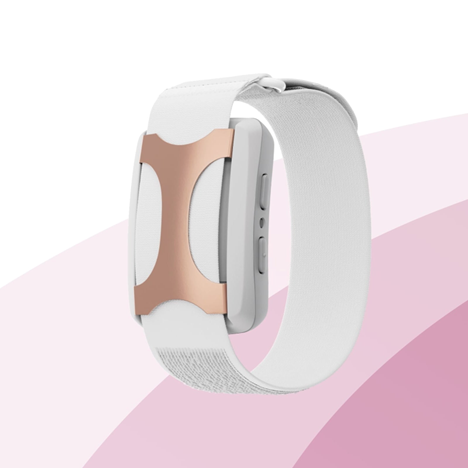
Apollo Wearable is:
- A wearable designed to influence the autonomic nervous system
- Based on research in neuroscience and somatic therapy
- Focused on stress regulation, focus, and sleep support
Apollo Wearable is not:
- A fitness tracker
- A medical device
- A replacement for therapy or clinical care
- A guaranteed solution for stress or insomnia
Understanding this distinction is critical before evaluating its potential.
How Apollo Wearable Works
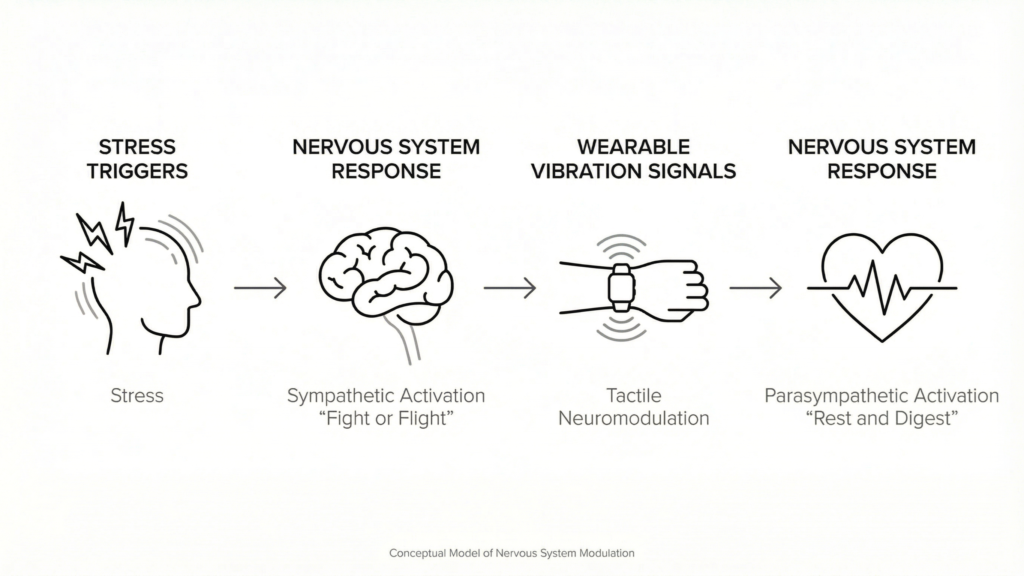
Apollo wearable delivers low-frequency, patterned vibrations, called Smart Vibes, to the wrist or ankle. These vibrations are designed to signal safety to the nervous system — potentially shifting the body from sympathetic (“fight or flight”) activation toward parasympathetic (“rest and digest”) balance.
Unlike meditation apps or breathing exercises, the Apollo wearable does not require active engagement. Users select Smart Vibes modes through the companion app, such as:
- Energy & Wake Up
- Clear & Focused
- Relax & Unwind
- Sleep & Renew
- Social & Open
The concept is rooted in somatosensory stimulation research — the idea that certain physical signals can influence autonomic tone.
Additionally, it is important to note:
- Individual responses vary
- Effects may be subtle rather than dramatic
- Consistent use over weeks is often required before users report noticeable change
What Apollo Neuroscience Clinical Research Suggests
Apollo Neuroscience references internal clinical studies showing:
- Improvements in heart rate variability (HRV)
- Reductions in perceived stress
- Increases in deep sleep duration in some participants
HRV is widely used as a proxy for autonomic balance, and improvements in HRV may indicate better resilience to stress.
That said, it is important to note that:
- Much of the research has been conducted or funded by the company
- Independent large-scale peer-reviewed trials remain limited
- Outcomes vary significantly between individuals
This places the Apollo wearable in a category of promising but still emerging consumer neuroscience wellness technology.
Real-World Experience: What Apollo Wearable Users Report
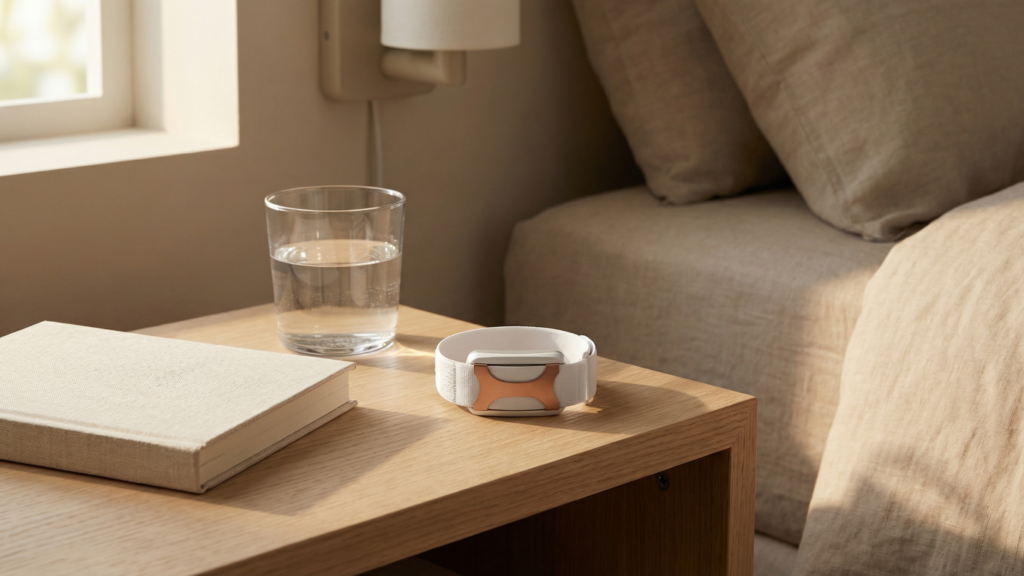
Across reviews and user discussions, experiences tend to fall into three categories:
1. Gradual Positive Effects
Some users report:
- Feeling calmer during stressful periods
- Improved ability to unwind at night
- Subtle improvements in sleep quality over several weeks
These users often emphasize the need to consistently use the Apollo wearable to notice effects.
2. Minimal or No Perceived Change
Others report:
- Not feeling noticeable effects
- Difficulty telling whether the benefits come from the device or from expectations
- Uncertainty about long-term value
3. Apollo Neuro App & Hardware Feedback
Common observations include:
- Simple app interface
- Occasional connectivity inconsistencies
- Battery life dependent on vibration intensity and frequency
These mixed experiences reinforce that Apollo is not universally transformative — it is context-dependent.
Who Apollo Wearable May Be Best For

Apollo may align well with individuals who:
- Feel “wired but tired”
- Struggle to wind down at night
- Prefer non-drug options and lifestyle-based solutions rather than medication
- Want support without adding screen time
- Value nervous-system regulation over performance metrics
It may be particularly appealing to professionals aged 40+, where stress resilience and sleep restoration become higher priorities than fitness tracking.
Who Apollo Wearable May Not Be Ideal For
The Apollo wearable may not be the best fit for:
- Individuals seeking detailed health metrics (e.g., VO2 max, sleep staging analytics)
- Those expecting immediate, dramatic results
- People highly sensitive to vibration sensations
- Users looking for a lower-cost stress solution (Apollo Neuro pricing is premium)
Expectations matter. Apollo wearable is a subtle nervous-system support device — not a high-intensity intervention.
If you’re curious how Apollo wearable is currently positioned, including available device options and pricing, you can review the official details here.
Apollo Neuro vs Other Wellness Wearables
| Feature | Apollo Neuro | Fitbit | Oura Ring |
| Tracks stress | No | Yes | Yes |
| Influences nervous system | Yes | No | No |
| Provides sleep analytics | Limited | Yes | Advanced |
| Requires active engagement | Minimal | Moderate | Minimal |
| Primary value | Regulation | Tracking | Insight |
Apollo Neuro is not competing on metrics — it competes on nervous system regulation.
That distinction should guide your decision.
Pricing and Accessibility: Is Apollo Wearable Worth It?
Apollo wearable is positioned at a premium price point compared to many fitness trackers and smartwatches.
When evaluating value, ask:
- Am I seeking stress tracking — or stress regulation?
- Have traditional tools helped me?
- Am I willing to use this consistently for several weeks?
If nervous system support to help you feel calm and sleep better is your primary goal, the value proposition of Apollo Neuro becomes more compelling.
If data tracking is your priority, other wearables may offer stronger ROI.
Frequently Asked Questions About Apollo Wearable
Is Apollo Wearable scientifically proven?
There is early clinical data suggesting improvements in HRV and sleep metrics. However, large-scale independent research is still limited. Results vary by individual.
How long does it take to notice effects?
Some users report subtle effects within days, while others report needing several weeks of consistent use.
Can Apollo Wearable replace meditation?
Not necessarily. Apollo wearable may complement mindfulness practices, but it does not replace cognitive or emotional skill-building.
Is Apollo Wearable safe?
Apollo wearable uses low-frequency vibrations and is generally considered safe for most users. Individuals with medical implants or specific conditions should consult a physician.
Summary Assessment of Apollo Wearable
After evaluating its mechanism, available research, and user feedback:
Apollo wearable represents an innovative approach to wellness tech and stress support. It shifts from simply tracking the body to actively trying to influence how it functions..
It is:
- Promising for stress-prone individuals
- Most aligned with sleep and resilience goals
- Less suited for performance metrics enthusiasts
The effectiveness of Apollo wearable appears to vary by individual and depends on consistent use.
Our Overall Apollo Wearable Assessment
Best For:
- Professionals managing chronic stress
- Individuals struggling to wind down at night
- People seeking non-pharmacological nervous system support
Not Ideal For:
- Data-driven biohackers prioritizing detailed metrics
- Users expecting immediate or dramatic results
- Budget-sensitive buyers seeking entry-level devices
Apollo Neuro is a nervous system support-focused wearable rather than a tracking device. Its value depends on whether calming the nervous system — rather than measuring it — is your primary goal.
Final Thoughts
Apollo Neuro will not be the right wearable device for everyone.
But for individuals focused on calming an overactive nervous system — particularly those navigating midlife stress, professional demands, or chronic sleep disruption — it offers a differentiated approach worth evaluating.
If this aligns with what you are looking for, you can review the current pricing and availability directly through Apollo’s official site.